Category: Uncategorized

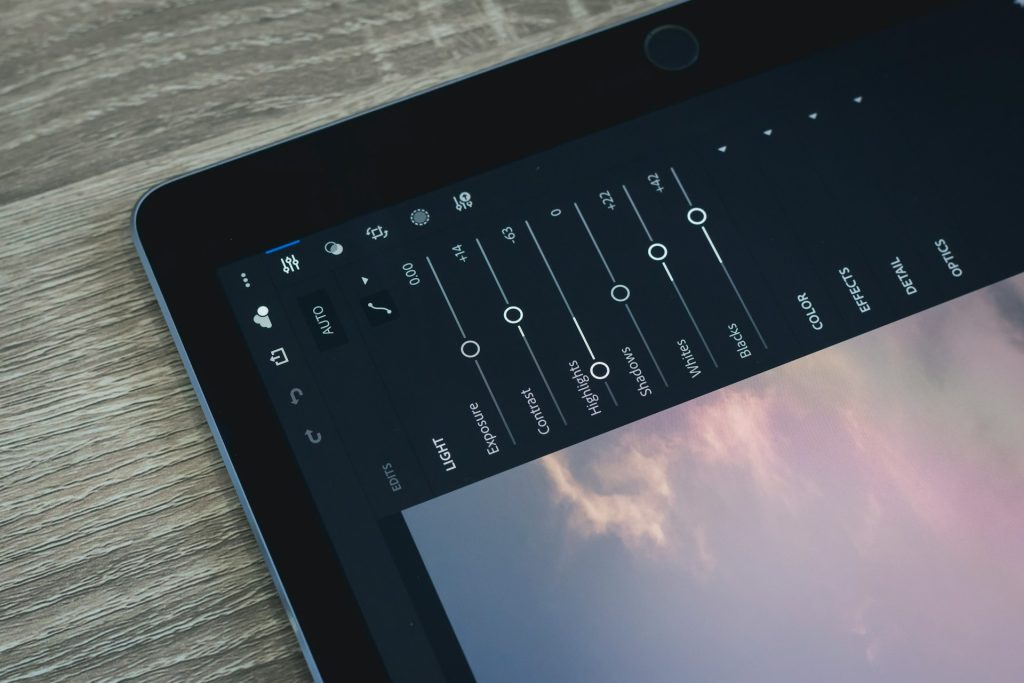
Why Professional Editing Matters in Children Photography

When you book a children photographer that families trust, you’re not just paying for someone to “take a few nice photos.” You’re investing in a finished result that feels polished, timeless, and truly reflective of your child. That’s where professional editing matters.

In children photography, the session is only half the work. The real magic often happens after the camera is packed away, when your photographer carefully shapes the final images so they look natural, flattering, and emotionally true.

Below, we broke down what professional editing actually does, why it’s essential for high-quality images, and how it elevates everything from everyday moments to heirloom-level family portraits Sydney.
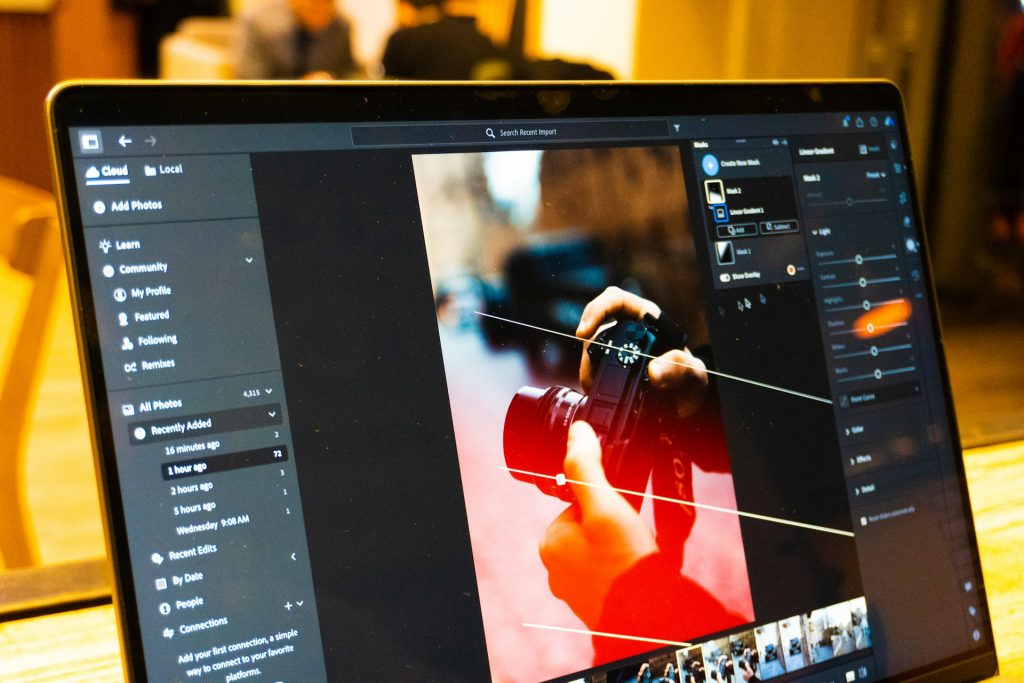
Family portraits Sydney with professionally edited children photography.

Professional Editing Turns a Good Photo Into a Finished Memory

Children are unpredictable in the best way. They move fast, change expressions in a second, and rarely sit still when you want them to. A skilled kids photographer knows how to capture the moment, but professional editing ensures that moment becomes a final image you’re proud to frame.

Editing isn’t about changing who your child is. It’s about refining the photo so it looks the way it felt in real life.

That might mean:

  • balancing light so faces look bright and natural
  • correcting colours so skin tones look true
  • removing distractions that pull attention away from your child
  • creating consistency across a full gallery of family photos

A session can produce hundreds of images. Editing selects the best ones and brings them to their full potential.

Children Photography Needs Editing Because Lighting is Never Perfect

Even in a beautiful studio or a sunny Sydney location, lighting can shift quickly. A cloud passes, a child steps into shade, or the background reflects colour onto skin. These are normal, everyday challenges in children photography.

Professional editing helps manage these issues so your final images look clean and balanced. For example, a children photographer that families book for studio portraits might need to:

  • soften harsh shadows under the eyes
  • reduce bright highlights on cheeks or foreheads
  • even out exposure across multiple faces in group shots

If you’ve ever looked at a photo and thought, “The moment is perfect, but something feels off,” it’s often lighting. Editing fixes that without making the photo feel artificial.

Editing Removes Distractions Without Removing Personality

The best children photography feels honest. It captures the real smile, the cheeky glance, the wild laugh, the quiet cuddle. Professional editing should support that, not overwrite it.

In practice, this often means removing distractions that date a photo or steal focus. Common distractions in family photos include:

  • messy backgrounds
  • temporary marks or small scratches
  • stray hair across the face
  • lint, dust, or tiny fabric distractions
  • bright objects pulling attention away from your child

A trusted children photographer that families return to will know what to keep and what to remove. The goal is simple. Keep the emotion. Keep the personality. Clean up the clutter.

Consistency Across the Gallery Makes the Experience Feel Premium

When you receive your final images, you want them to feel cohesive. Not every photo needs to look identical, but a professional gallery should have a consistent tone, colour balance, and finish. This is what separates a casual collection of images from a set of artwork-quality photographs.

Professional editing ensures:

  • the full gallery looks intentional
  • colours match across different shots
  • lighting feels consistent
  • your family portraits look like they belong together

This is especially valuable when families choose to print their images, build albums, or create wall art. Consistency helps everything flow beautifully.

Professional Editing Protects the Quality of Printed Photos

A photo can look “fine” on a phone screen and still fail when printed. Printing reveals everything:

  • noise and grain in shadows
  • incorrect exposure
  • overly warm or cool tones
  • lack of sharpness in key areas

A professional kids photographer edits with print quality in mind. That means ensuring the image holds up whether it’s a small print for a frame or a large wall piece.

For family photos, print-ready editing matters even more because there are multiple faces to balance. Everyone should look sharp, well-lit, and natural, without the image feeling over-processed.

Editing Helps Highlight Emotion, Not Just Appearance

The purpose of children photography isn’t perfection. It’s connection.

The right editing choices help highlight the emotion in a moment by guiding the viewer’s attention. This can be done through subtle adjustments such as:

  • gently brightening faces
  • softening background distractions
  • improving contrast so expressions stand out
  • creating depth so the subject feels more present

An experienced children photographer that families trust will edit in a way that draws you into the story of the photo. Not the background. Not the noise. The child.

That’s why professionally edited family portraits in Sydney often feel more “alive.” You notice the feeling first.

Safety and Comfort are Part of the Process, Including Editing

Children photography should always be child-led, safe, and respectful. That philosophy extends into editing too.

Professional editing means:

  • avoiding harsh, unnatural effects
  • keeping your child’s features realistic
  • maintaining age-appropriate, tasteful finishes
  • respecting your family’s preferences

A quality kids photographer won’t push dramatic edits that make children look older or overly styled. The goal is a beautiful, timeless image that still feels like your child, at this exact stage of life.

And for many families, that matters deeply.

Editing is Also About What Gets Left Out

Not every photo makes the final gallery, and that’s a good thing.

Professional editing includes careful selection. This is one of the most overlooked reasons editing matters. You’re not meant to receive every blink, every half-expression, every near-miss.

A children photographer that parents recommend will curate images for your family memory book so you receive the strongest set, not the largest set. That means you’ll see:

  • the best expressions
  • the most flattering angles
  • the cleanest composition
  • the moments that feel meaningful

Your final family photos should feel like highlights, not leftovers.

The Difference Shows in Family Portraits That Feel Timeless

Trends come and go quickly. Editing styles do too. But timeless family photography holds value for years. Professional editing helps keep family portraits from looking dated by:

  • avoiding overly strong filters
  • keeping colours natural
  • balancing contrast gently
  • preserving true-to-life skin tones

When you work with a professional family photographer, the aim is for your images to still look beautiful in five, ten, even twenty years, especially in your family album.

That’s the real test of quality.
Family portraits Sydney showcasing polished editing for a timeless family photo look.

The Value of Professional Editing

Children photography moves quickly. Childhood moves even faster.

Professional editing matters because it protects the memory you’re trying to keep. It turns fleeting moments into images you can hold onto, share with loved ones, and look back on with pride.

Whether you’re booking a kids photographer for your child’s milestone, updating your family portraits, or simply capturing everyday connection, editing is what ensures your final family photos feel finished, intentional, and worth remembering.

At Sandpit Photos, our child care photographers Sydney believe every child deserves to be captured with care, and every family deserves images that feel as special as the moment itself. Our photographers work Sydney wide, offering a smooth process and experience. Enquire today at 02 9979 9334 or visit our contact page to secure your session with a children photographer that families trust and a kids photographer who prioritises quality from start to finish.
How Lighting Affects Your School Photo Session

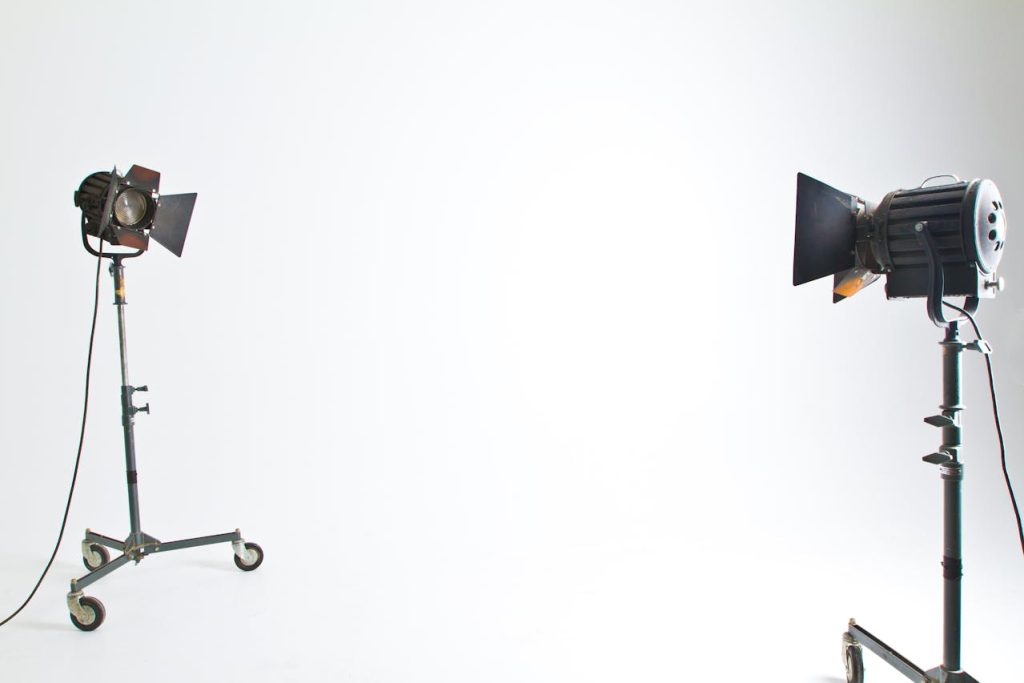
When it comes to school photo sessions, lighting plays a pivotal role in capturing that perfect shot. For school photographers in Sydney, getting the lighting just right can make all the difference in ensuring that each student looks their best. Whether it’s for school portraits Sydney, class photos, or individual shots, proper lighting can elevate the overall quality of the images, ensuring they not only look great but also stand the test of time. In this blog post, we’ll explore how lighting affects school photo sessions and why it’s essential for creating memorable school portraits.

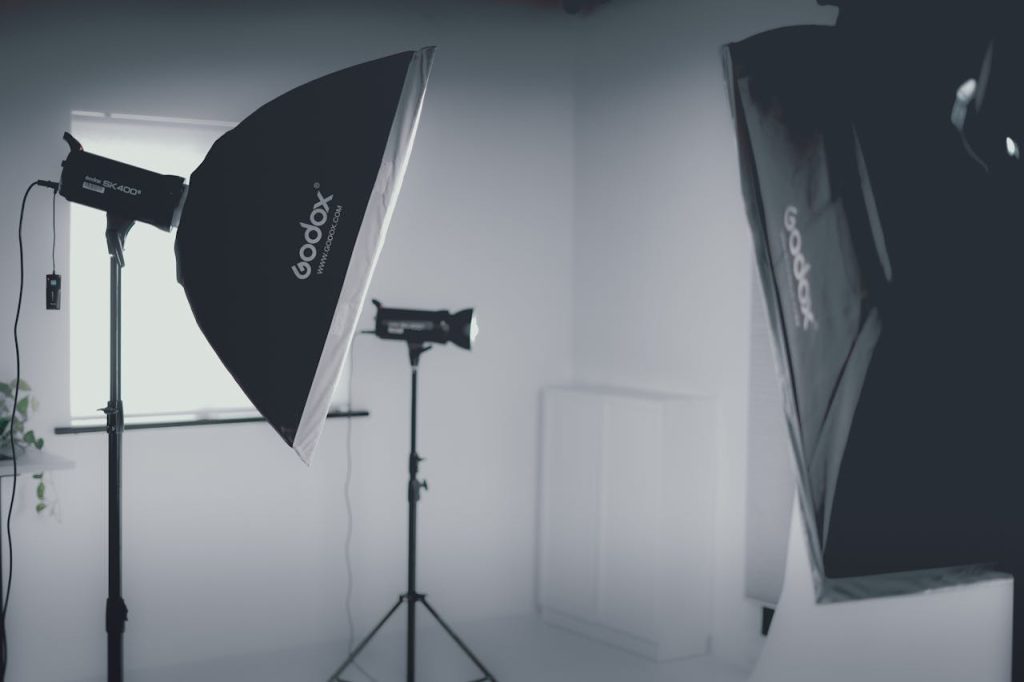
School portrait Sydney needs perfect lighting for a flawless school photo session.

The Role of Lighting in Photography

Lighting is often referred to as the “heart” of photography. Without the right lighting, even the most skilled photographer may struggle to capture the essence of a subject. This is especially true in school photography, where lighting influences not only how students look but also the overall mood and professionalism of the final product.

Good lighting helps in revealing the true colours and textures of a student’s features. It softens shadows, reduces harsh contrasts, and prevents overexposure, resulting in more flattering school portraits. On the other hand, poor lighting can create unflattering shadows, cause squinting, or distort the colours of the student’s face, leading to unsatisfactory images.

Natural Light vs. Artificial Light

There are two primary sources of light used by school photographers: natural light and artificial light. Both have their advantages and challenges when it comes to school or children sports team photo sessions.

Natural Light

Natural light is often preferred because it provides a soft, warm glow, perfect for capturing flattering portraits. The advantage of using natural light is that it’s abundant, free, and it creates a natural feel in photos. When positioned correctly, natural light highlights a subject’s features without causing harsh shadows or overexposure.

However, natural light is unpredictable and may not always be available, especially in indoor settings. School photographers in Sydney need to adapt quickly to changing weather conditions and varying sunlight intensity. For indoor school photo sessions, a photographer must find ways to harness natural light effectively. Positioning students near windows or under skylights is often the best option for utilising daylight.

Artificial Light

While natural light offers a great look, it isn’t always reliable, particularly in schools where photo sessions are held indoors or during cloudy days. In these cases, artificial lighting becomes crucial. School photographers often use studio lights, such as softboxes, LED panels, or umbrella lights, to ensure the lighting is both consistent and flattering.

Artificial lights offer more control and consistency compared to natural light, which is essential when trying to maintain a uniform look across all the students. Professional photographers can adjust the intensity, direction, and quality of the light to enhance the overall image. Soft, diffused light works best to avoid harsh shadows and maintain a natural look. In contrast, hard light can create sharp contrasts and unflattering shadows on the student’s face.

The Importance of Lighting Placement

Where the light source is placed relative to the subject plays a crucial role in the final image. Proper lighting placement can make the subject look radiant, while improper placement can result in unwanted shadows, glare, or washed-out features.

Front Lighting

Front lighting is the most commonly used technique in school photo sessions. In this setup, the light source is placed in front of the student, ensuring that their face is evenly lit. This creates a soft, balanced look that is ideal for school portraits. Front lighting is especially useful in school portraits because it ensures that the student’s facial features are visible and well-defined.

Side Lighting

Side lighting, where the light source is placed to the side of the subject, creates depth and highlights the textures of the student’s face. This technique can add drama and dimension to a school photo session. However, when using side lighting, it’s crucial to maintain balance. Too much side light can create unflattering shadows, making one side of the face appear too dark. To combat this, photographers often use reflectors on the opposite side to bounce light back onto the subject, ensuring even illumination.

Backlighting

Backlighting occurs when the light source is positioned behind the subject, creating a halo effect around the student. This technique is less commonly used in school portraits but can add a unique touch to specific types of school photo sessions. When done correctly, backlighting can create stunning, ethereal effects. However, it requires careful management to avoid overexposure or silhouettes, which might make it difficult to see the student’s face clearly.

Colour Temperature and White Balance

In school photography, achieving the right colour temperature is essential for creating lifelike and accurate portraits. The colour temperature refers to the warmth or coolness of the light, measured in Kelvin (K). Daylight has a colour temperature of around 5,500K, giving it a neutral, slightly cool tone. Artificial lights, on the other hand, can range from warm (yellowish) to cool (blueish), depending on the type of bulb used.

When the white balance is set correctly, the colours in the school portraits will appear natural and true to life. A well-calibrated white balance ensures that students’ skin tones look realistic, with no unwanted colour casts that could make them appear too warm or too cool.

For school photographers in Sydney, maintaining proper white balance is vital when shooting both indoors and outdoors, as different lighting environments can dramatically affect the final image. It’s essential for the photographer to adjust their camera settings or use filters to match the light source’s colour temperature and produce the best possible school portraits.

The Impact of Lighting on Mood and Atmosphere

Lighting not only affects the technical aspects of photography but also contributes significantly to the mood and atmosphere of the image. Bright, even lighting often creates a cheerful, welcoming tone, making it perfect for school portraits where the goal is to capture the student’s personality and joy. Softer lighting, on the other hand, can create a more formal or classic feel, often used for professional-looking headshots.

When it comes to school photo sessions, it’s essential to find a balance that fits the student’s character while ensuring the portraits are both flattering and natural. Photographers must understand how to manipulate light to highlight the student’s best features while maintaining a sense of warmth and authenticity.

Lighting for Group School Photos

In group school photos, lighting becomes even more complex. Proper lighting is essential to ensure that every student in the group is equally well-lit, with no one subject being overexposed or hidden in shadows. A balanced lighting setup helps create a harmonious image, where all students are visible and their features are clear.

In these sessions, school and child care photographers Sydney often use multiple light sources to illuminate the group from various angles. Key lights, fill lights, and backlights are used in tandem to ensure that no part of the group is left in darkness. Additionally, careful attention must be paid to the positioning of each student within the frame to maintain balance and symmetry.

School portrait Sydney showcasing photography lightings in a well-lit environment, ensuring clear school photo session.

Final Takeaway

In summary, lighting is one of the most important factors that influence the quality of your school photo session. Whether you’re capturing school portraits, class photos, or individual shots, the right lighting ensures that every student looks their best. It highlights their features, enhances the overall mood, and ensures that their personality shines through in every shot.

For school photographers in Sydney, mastering the art of lighting is a crucial skill that makes all the difference in delivering high-quality school portraits. With the right equipment, technique, and understanding of lighting, your school photo sessions can produce stunning, professional images that families will cherish for years to come.

At Sandpit Photos, we specialize in creating high-quality school portraits that capture every student’s personality with precision and care. Our photographers use professional lighting techniques to ensure flawless results, whether for individual portraits, group photos, or class pictures. We proudly offer our services across Sydney, ensuring schools of all sizes receive the same top-tier photography experience, no matter the location. Call us today at 02 9979 9334 or visit our enquiry page to schedule your next school photo session and experience the difference in quality and professionalism.

Creating a Memory Book: Curating a Story With Your Photos

Photographs capture moments even the most precious memories. A memory book turns those moments into a story you can return to, share, and pass on. Most of us see a memory book not as a collection of images, but as a carefully considered narrative that reflects family, connection, and time spent together. For families across Sydney, a thoughtfully crafted memory book becomes a lasting keepsake that grows in value with every passing year.

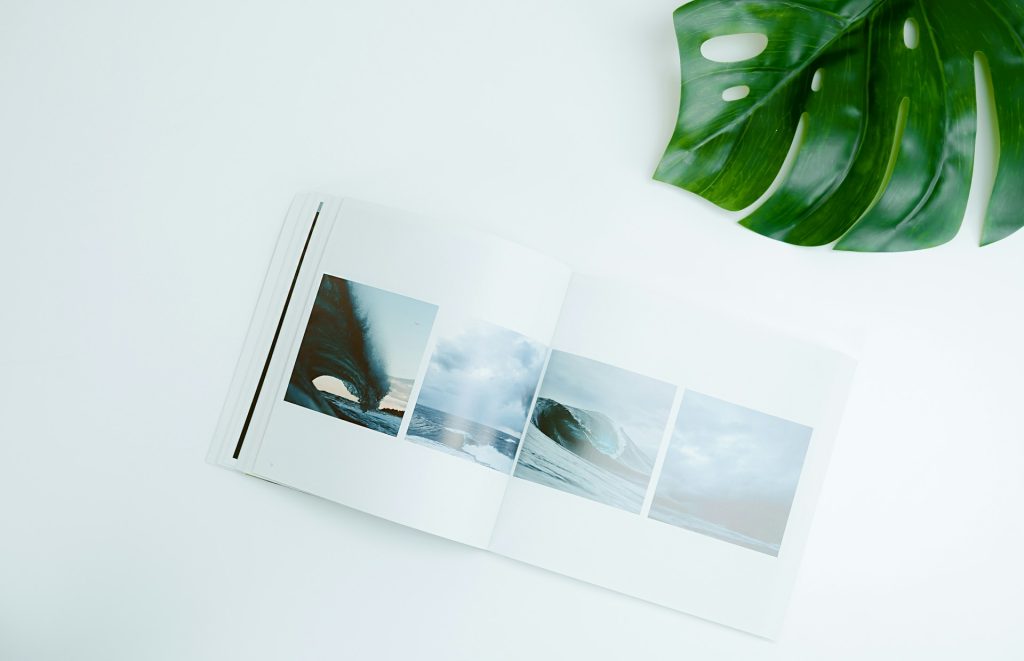
Family photo memory book Sydney, showcasing a beautifully curated photo book that families cherish

What is a Memory Book?

A memory book is a curated collection of photographs arranged to tell a story. Unlike a digital gallery that often remains unseen, a photo memory book invites interaction. It sits on a coffee table, is pulled out on quiet afternoons, and becomes part of family tradition.

Each page is intentional. Images are selected for relevance, emotion, and continuity. The result is a tangible story that reflects real life rather than a random archive of photos. For many families, a memory book becomes a way to document childhood, milestones, everyday moments, and shared experiences in a format that feels permanent and personal.

Why Story Matters More Than Volume

Modern phones make it easy to take thousands of photos. The challenge is not capturing moments, but making sense of them. A well-designed photo memory book focuses on storytelling rather than quantity.

Story-driven curation brings clarity. It allows the viewer to understand context, sequence, and emotion. A single image of a child holding a parent’s hand can say more than twenty similar photos taken seconds apart.

When creating a memory book that families connect with most, the story often follows a natural rhythm. Beginnings, growth, change, and reflection. This structure makes the book engaging and easy to revisit, even years later.

Choosing the Right Photos

Selection is one of the most important steps in creating a photo memory book. The goal is not perfection. It is authenticity. Strong images often share a few qualities. Genuine expressions, meaningful interactions, and a sense of place or time. These photos feel honest and familiar. They show personality rather than posing.

Including a mix of wide shots and close moments adds depth. Environmental images help set the scene, while detail shots draw attention to emotion. Together, they form a balanced narrative that feels complete.

A memory book Sydney that clients value most often includes both big milestones and quiet in-between moments. First days, celebrations, ordinary afternoons, and routines that define family life.

Creating Flow and Structure

A memory book should feel cohesive from beginning to end. Flow helps the reader move naturally through the pages without confusion or repetition.

Chronological order is a popular approach, especially for family stories. It reflects growth and change over time. Other books may be organised by theme, such as holidays, seasons, or shared activities. Consistency in layout also matters. Repeating design elements, spacing, and image sizing creates visual calm. This allows the photos to stand out without distraction.

A professionally crafted photo memory book often balances white space with imagery, giving each photo room to breathe while maintaining visual interest.

The Role of Design and Print Quality

Design and print quality directly affect how a memory book feels and how long it lasts. High-quality paper, accurate colour reproduction, and durable binding ensure the book withstands regular handling. Poor printing can flatten images, distort colours, or fade over time. A premium photo memory book preserves detail and tone, ensuring skin tones look natural and moments feel true to life.

Quality materials are especially important. A well-made memory book resists warping and deterioration, making it suitable for long-term keeping. Design choices should also support the story rather than overshadow it. Clean layouts, timeless typography, and thoughtful spacing help the content remain relevant for decades.

Emotional Value and Legacy

A memory book carries emotional weight. It becomes a record of relationships, growth, precious memories and shared history. For children, it offers a sense of identity and belonging. For parents, it provides reflection and continuity.

As families grow, a memory book Sydney households create today often becomes part of future conversations. It is shown to children as they get older, shared with grandparents, and passed down through generations.

Unlike digital files that may be lost or forgotten, a photo memory book has permanence. It exists beyond technology changes and platform updates.

Memory Books for Life’s Milestones

While everyday moments form the heart of many memory books, milestones also play an important role. Births, anniversaries, new homes, and family achievements often mark chapters in the story.

A dedicated photo memory book for a specific season or event allows deeper focus. These books complement broader family collections and give important moments the attention they deserve. Families often choose to create a memory book around early childhood years, school transitions, or meaningful family projects. Each book becomes part of a larger personal archive.

Why Proper Curation Makes a Difference

Professional curation brings experience, perspective, and restraint. Knowing what to include is just as important as knowing what to leave out. An experienced eye recognises patterns, emotional beats, and narrative flow. This ensures the photo memory book feels intentional rather than overwhelming.

Professional production also removes stress. Families can enjoy the result without spending hours sorting, editing, and designing. The outcome is a memory book that clients trust to represent their story with care and respect.

Memory Books in the Digital Age

Digital storage has changed how we take photos, but not how we connect with them. Screens encourage scrolling. Books encourage presence.

A photo memory book invites slower engagement. Pages are turned with purpose. Conversations happen naturally around images. Stories are shared aloud. Clear storytelling, local relevance, and genuine expertise matter more than ever.

Close-up of a professionally designed photo memory book Sydney, created as a timeless photo book

A Lasting Investment in Your Story

Creating a memory book is an investment in memory, identity, and connection. It reflects values, relationships, and moments that define family life. A thoughtfully curated photo memory book does not follow trends. It focuses on truth, emotion, and longevity. That is why it continues to feel relevant long after it is created.

For families in Sydney, a memory book becomes part of the home. It sits within reach, ready to be opened, shared, and cherished. Over time, it becomes more than a book. It becomes a record of life as it was lived. A well-made memory book Sydney families choose today becomes a gift to their future selves.

At Sandpit Photos, we create bespoke photo albums and memory books for families across Sydney, offering an end to end service that includes professional photography, thoughtful image curation, refined design, and premium printing. Whether you are starting fresh or working from existing images, our child care photographers Sydney delivers a seamless experience from concept to completion. Enquire today at 02 9979 9334 or visit our contact page to create photo books for Sydney families to preserve their most meaningful moments.

5 Must-Have Props for a Perfect Kindergarten Photoshoot

Capturing early childhood is one of the most rewarding parts of what child care photographers do. These moments are genuine, expressive, and full of personality. A successful kindergarten photoshoot doesn’t just rely on great lighting and a well-timed smile. The right props help children feel comfortable, spark curiosity, and bring out the natural expressions families love.

Whether you’re planning a session at a centre in Sydney or refining your setup for the new school year, thoughtful prop selection plays an important role in producing beautiful and consistent results. Below are five essential props that elevate every session for delivering high-quality school photos to families across NSW.

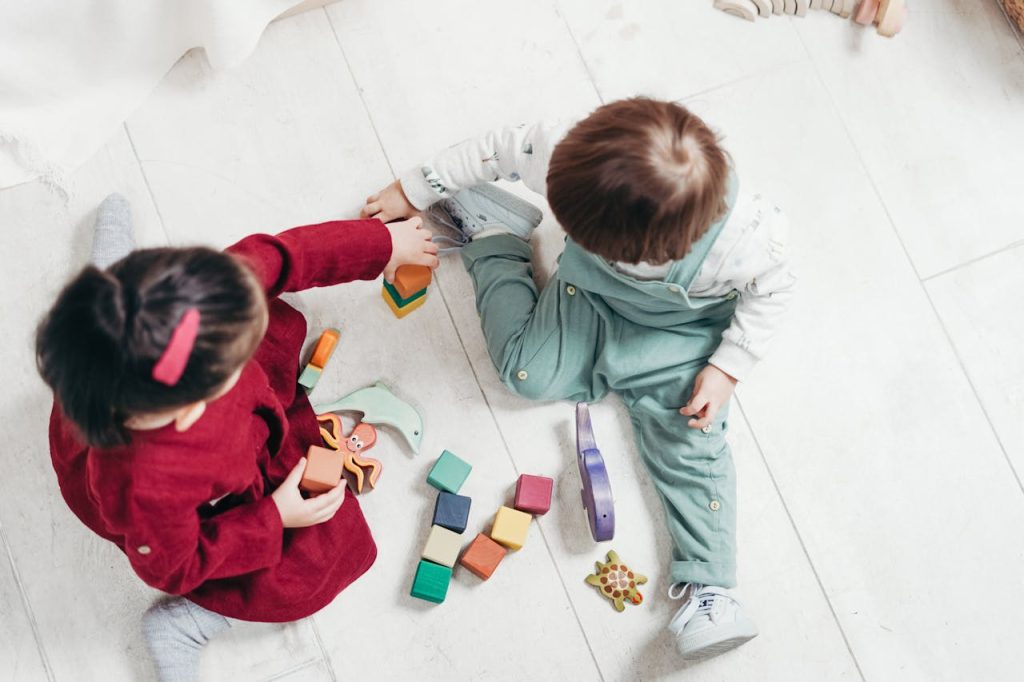
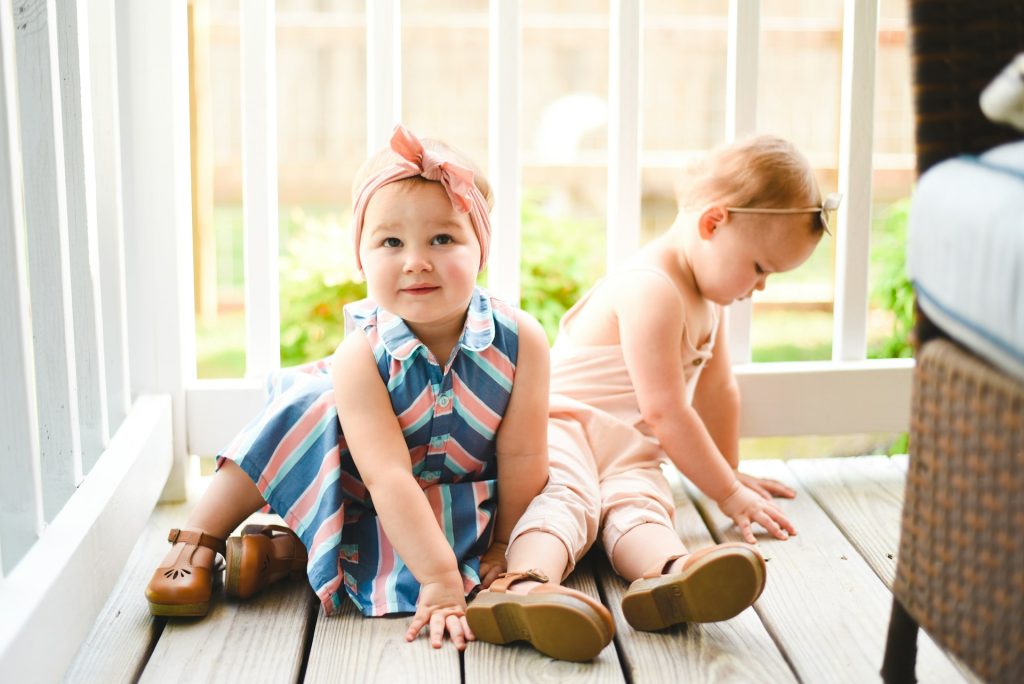
Two young children playing with wooden toys, photographed by child care photographers Sydney.

1. Storybooks that Spark Expression

Books are a universal comfort for young children. They create an immediate sense of familiarity and encourage natural engagement. When a child holds a storybook, their focus softens, their posture relaxes, and their imagination switches on. This leads to genuine expressions that look fantastic in final galleries.

Choose books with bold illustrations and durable covers that can withstand plenty of handling. Avoid reflective finishes that cause glare during shooting. Storybooks also help manage shy or unsettled children, giving them something to focus on and easing the pressure of looking directly at the camera.

For centres that want their school portraits to reflect learning and creativity, books are one of the most powerful and symbolic props you can introduce.

2. Wooden Blocks for Playful Interaction

Wooden blocks are ideal because they are simple, safe, and endlessly engaging. When children begin stacking or sorting blocks, their personalities shine. Some focus intently, others prefer imaginative play, and many enjoy showing off their creations. These authentic behaviours translate into lively, heart-warming images.

Blocks also allow a child care or daycare photographer in Sydney to capture a variety of angles, close-ups of tiny hands, mid-shots showing concentration, and wide shots capturing the full scene. Because the activity feels natural and familiar, children remain at ease throughout the session.

Additionally, wooden blocks add a lovely visual aesthetic. Their neutral tones work well with most backdrops, and their shapes help create pleasing composition lines within the frame.

3. Mini Chairs and Stools for Confident Posing

One of the key challenges in early-years photography is helping children feel steady and supported while posing. Mini chairs or small timber stools solve this beautifully. They provide structure, help maintain posture, and make children feel secure.

A well-chosen seat also guides the child into a comfortable position without over-directing them. For a child care photographer Sydney wanting consistency across large cohorts, mini stools ensure each child is framed neatly and presented in a flattering way.

The best options are lightweight but sturdy, with smooth finishes and no sharp edges. Natural wood works well because it photographs cleanly and pairs seamlessly with uniforms and casual clothing. When working as a childcare photographer in Sydney, these stools help maintain uniformity across class galleries while still allowing each child’s individuality to come through.

4. Soft Plush Toys for Comfort and Connection

Plush toys create instant trust. Even children who are shy, anxious, or hesitant respond well to the softness and safety that a cuddly toy offers. When they hold a teddy or soft animal, their body language changes noticeably. They relax, their shoulders drop, and their smiles become much more natural.

Plush toys also give the photographer a tool to encourage eye contact. Holding the toy just above the lens, adding gentle movement, or using it to create humour can help turn a nervous moment into a joyful one.

For a daycare photographer in Sydney seeking to deliver warm and emotive images, plush toys act as a bridge between the unfamiliar camera environment and the child’s sense of security. It’s often the difference between a stiff expression and a glowing one.

5. Timeless Backdrops That Reflect Childhood

The backdrop is one of the most important “props” because it forms the visual foundation of the entire gallery. For kindergarten photoshoots, timelessness is key. Families treasure these images for decades, so trends that date quickly should be avoided.

Popular choices include:

  • Light timber textures that create a warm, natural aesthetic.
  • Soft neutral tones that keep the focus on the child, not the background.
  • Classic studio styles that frame the child cleanly for outstanding school photos.

Backdrops also help elevate the brand identity of the centre or photographer. When used consistently by school photographers in Sydney, they create recognisable imagery that families associate with trust and quality. A well-selected backdrop ensures the final photographs feel polished, cohesive, and appropriate for long-term keepsakes.

Why Props Matter in Kindergarten Photography

Props do more than enhance aesthetics. In early-childhood settings, they serve three essential purposes:

1. Encouraging Natural Behaviour

Children feel most comfortable when they have something to interact with. Props reduce pressure and allow emotions, gestures, and movements to flow organically.

2. Supporting Emotional Safety

Kindergarten sessions introduce children to an unfamiliar environment. Familiar or tactile props help them adapt quickly, making the session smoother for both the photographer and educators.

3. Elevating Image Quality and Brand Consistency

The right props reinforce your visual style and help produce consistently high-quality results across all age groups and locations. This is especially important for a child care photographer Sydney servicing multiple centres throughout the year.

Additional Tips for a Smooth Kindergarten Photoshoot

While props make a significant difference, the overall environment also shapes the success of the session. Here are a few supporting practices we follow:

Create a Calm and Predictable Flow

Children respond well to routine. Set up your props in a sequence that allows smooth movement from one activity to another.

Prioritise Safety

Every prop must be durable, clean, non-toxic, and free from hazards. Safety is a core value in early-childhood environments, and photography should always align with centre standards.

Make Space for Individual Personality

Even when using structured props, flexibility is essential. Some children will connect with a particular toy or activity more than others. Allowing this choice helps capture genuine personality and individuality.

Keep Interactions Positive and Encouraging

Young children thrive on warmth and reassurance. Friendly communication, gentle direction, and patient timing help create an atmosphere where authentic expressions come naturally.

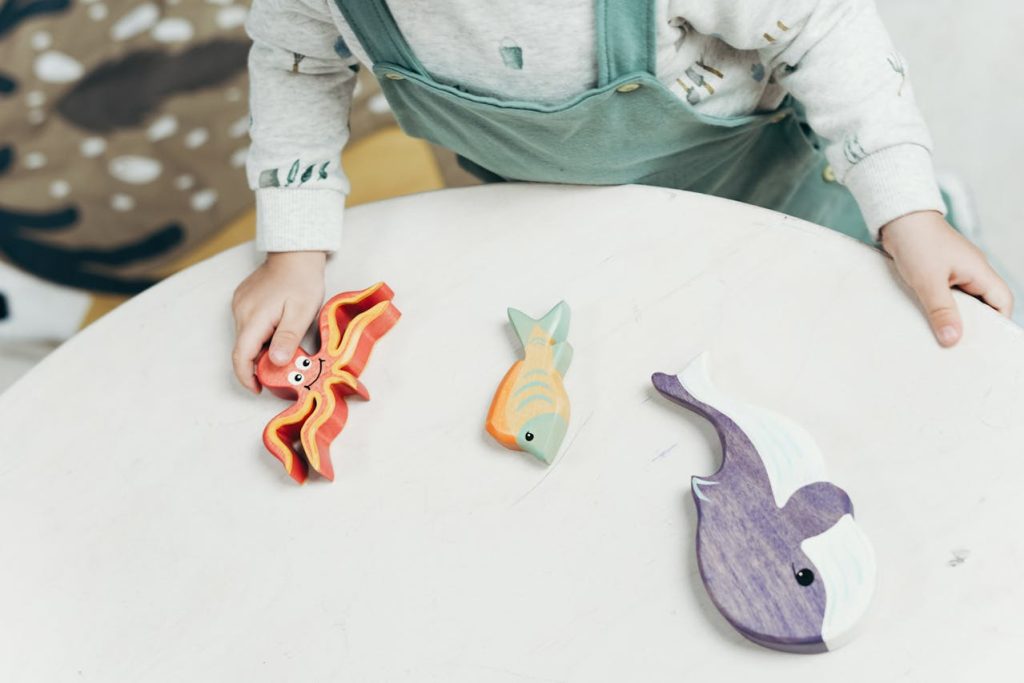
A toddler playing with wooden toys, captured by child care photographers Sydney.

Final Thoughts

Props have a remarkable ability to transform the kindergarten photoshoot experience. With the right combination of storybooks, wooden blocks, mini chairs, plush toys, and classic backdrops, you create a comfortable environment that brings out genuine smiles and unforgettable expressions.

For centres looking to enhance their annual photography program in Sydney, selecting the right photographer and placing careful consideration on prop choices ensures the session runs smoothly and produces memorable results. When children feel safe, supported, and engaged, the magic naturally follows. If you’d like your next photoshoot to reflect authenticity, warmth, and professional polish, these five props are the perfect place to start.

At Sandpit Photos, we bring a seamless, child-friendly photography experience to centres right across Sydney. If your child care or kindergarten is looking for reliable, Sydney-wide kindergarten photography with exceptional results, get in touch at 0299 799 334 or visit our enquiry page and book your session today.

5 Mistakes Parents Make During Kindergarten Photoshoots

Kindergarten photoshoots are one of those moments families look forward to each year. They capture a child’s personality, confidence, and growth in a way that becomes priceless over time. But making the most of these moments requires more than simply showing up on photo day. As a trusted experts who works closely with educators, parents, and every child care photographer Sydney, I’ve seen the same issues come up time and time again.

Avoiding these common mistakes helps ensure your child feels comfortable, looks their best, and enjoys the entire experience. It also helps the childcare photographer deliver natural, expressive portraits you’ll proudly display for years. Below are the five most common mistakes parents unknowingly make during kindergarten photoshoots, along with simple steps to avoid them.

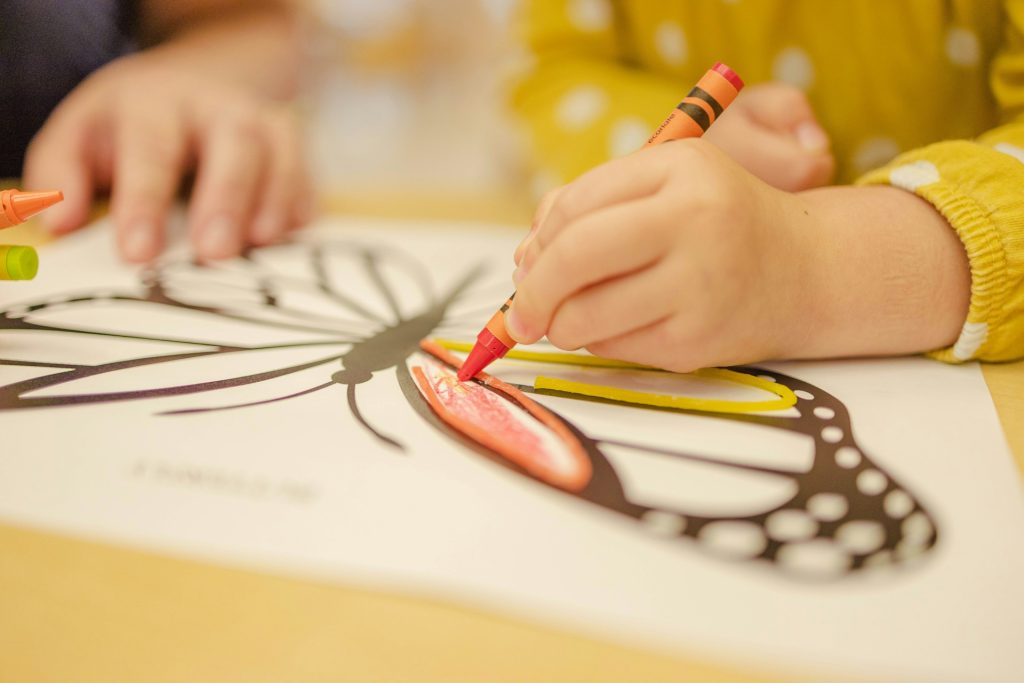
A child colouring a butterfly outline with crayons by a child care photographer Sydney

1. Choosing Overly Complicated Outfits

On photo day, many parents want to dress their child in something eye-catching. However, elaborate clothing can quickly become uncomfortable, distracting, or difficult to manage. Stiff collars, itchy fabrics, glittery accessories, and layered outfits often lead to fidgeting, frustration, and awkward smiles.

Confidence comes from comfort. When a child feels good in what they’re wearing, it shows. A skilled daycare photographer knows how to guide poses and create natural expressions for children and school portraits and photos, but nothing replaces the ease of a child who can move freely.

What to do instead:

  • Choose simple clothes in soft, breathable fabrics.
  • Solid colours photograph better than busy patterns.
  • Make sure shoes are clean and fit well.
  • Test the outfit beforehand to ensure your child can run, sit, and play comfortably.

Outfits should complement your child rather than steal attention away from them.

2. Preparing at the Last Minute

One of the biggest issues for parents is rushing on the morning of the photoshoot. When wake-ups, breakfast, outfit changes, and hair styling all need to happen at once, stress builds quickly. Children pick up on this energy, and it can affect their mood during the session.

A rushed morning can result in messy clothes, frazzled expressions, and forgotten details, none of which you want in your final images.

How to set the day up for success:

  • Organise the outfit, shoes, and hair accessories the night before.
  • Pack backup items such as a brush, tissues, or wipes.
  • Give yourself extra time in the morning to keep things calm.
  • Make sure your child has eaten and is well-rested.

Even the most experienced child care photographer Sydney appreciates when a child arrives relaxed and ready. A serene start sets the tone for a smooth photoshoot.

3. Coaching Children Too Much

It’s natural for parents to remind their child to smile, stand still, or “do your best”. But over-coaching often has the opposite effect. Kids become self-conscious, worried about disappointing Mum or Dad, and their expressions can appear forced.

An expert childcare photographer is trained to engage children in ways that encourage genuine emotion. The best photos come from authentic reactions, those big, unplanned smiles sparked by fun conversation or playful prompts.

Why less coaching works better:

  • Children respond better to relaxed expectations.
  • Photographers build rapport quickly when parents trust the process.
  • Natural smiles always look better than rehearsed ones.

Giving your child and the daycare photographer space to connect leads to far more joyful photos.

4. Ignoring the Importance of Grooming and Small Details

Many parents focus heavily on outfits but overlook the small grooming touches that make a big difference. Stray hairs, wrinkled clothes, smudged shoes, and toothpaste marks can all show up in photos. While some issues can be edited, relying on editing alone isn’t ideal.

These small details matter not because of perfection, but because they help the photo reflect your child in a polished, confident way.

Checklist for quick grooming:

  • Brush hair neatly; secure fringes with subtle clips if needed.
  • Ensure collars and sleeves sit correctly.
  • Wipe faces clean after breakfast.
  • Straighten hems, skirts, and jumpers.
  • Remove temporary tattoos or stickers unless you want them included.

A prepared child feels confident, and confidence is something every child care photographer Sydney loves to work with.

5. Setting Unrealistic Expectations

Parents often envision the perfect portrait: wide smiles, still poses, perfect posture. While expert photographers can achieve incredible results, kids are naturally expressive and full of movement. Not every child enjoys sitting still in front of a camera, and that’s perfectly normal.

A great daycare photographer focuses on capturing real moments. Sometimes that means playful expressions or curiosity rather than the “classic smile”. Unrealistic expectations can cause frustration for both the child and the parent, leading to tension during the shoot.

How to keep expectations balanced:

  • Understand that every child reacts differently to cameras.
  • Trust the photographer to guide the session.
  • Celebrate natural expressions, they often make the most memorable images.
  • Remember that personality is more valuable than perfection.

Parents who approach photo day with flexibility often walk away with photos they love. Kids feel free to simply be themselves, and that’s exactly what you want captured.

Why These Mistakes Matter More Than You Think

Avoiding these mistakes isn’t just about improving photos, it’s about shaping the whole experience for your child. The first school photos they take can influence how they feel about cameras, confidence, and self-expression for years to come.

Children who feel rushed, uncomfortable, or overly directed can associate photo day with stress. On the other hand, children who feel supported, relaxed, and free to be themselves often enjoy the process and it shows.

Every child care photographer Sydney understands how meaningful these moments are for families. By helping your child start the day in the right frame of mind, you’re giving them the chance to enjoy the experience and build positive memories.

How Photographers in Childcare Centres Support Parents

Professional local photographers who specialise in early-years environments understand the unique challenges and joys of working with young children. The best ones make photoshoots fun, engaging, and pressure-free.

An experienced daycare photographer often:

  • Creates a playful atmosphere to encourage natural expressions.
  • Uses age-appropriate prompts to keep kids engaged.
  • Adapts quickly to different personalities, from shy children to energetic ones.
  • Operates with patience and professionalism.
  • Prioritises safety and comfort at all times.

When parents trust the photographer and avoid the common mistakes listed above, the entire process becomes easier for everyone.

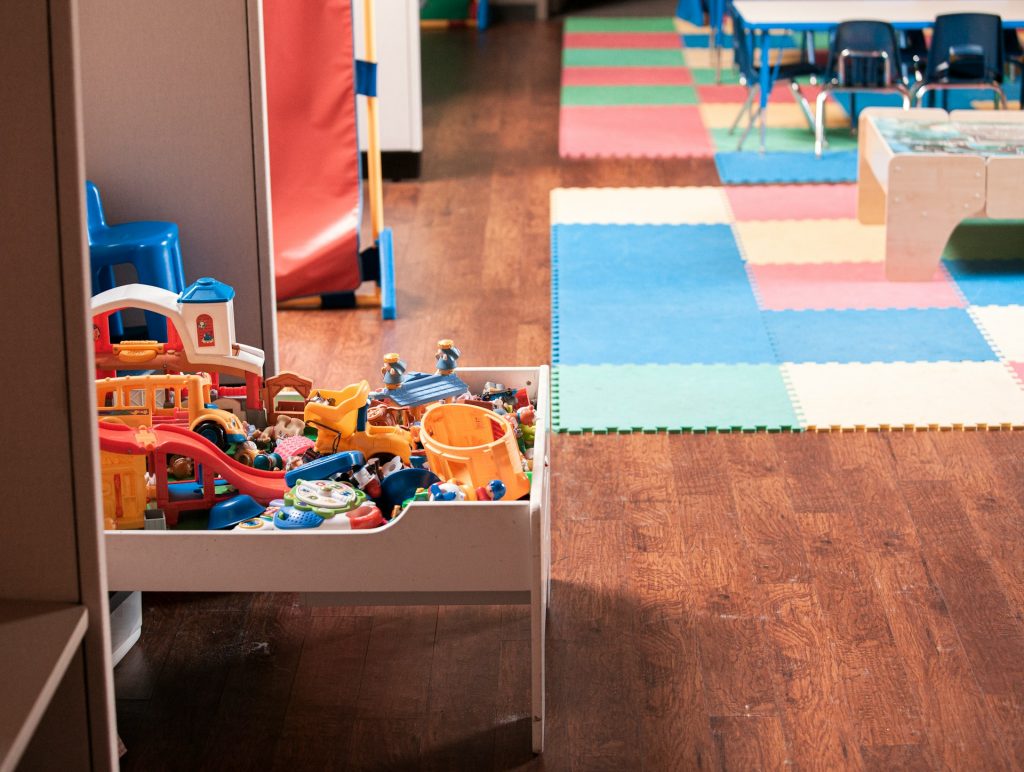
A toy rack on a colourful classroom playmat captured by a child care photographer Sydney.

Final Thoughts

Kindergarten photoshoots are a moment worth celebrating. They capture a chapter in your child’s life that passes quickly but means so much. By avoiding these five mistakes, complicated outfits, rushed mornings, over-coaching, overlooked grooming, and unrealistic expectations, you create the conditions for beautiful, natural, personality-filled photos in your precious album.

You don’t need the perfect outfit or the perfect pose. You simply need your child to feel calm, comfortable, and confident. When parents support the process and trust the expertise of their childcare photographer, the results are always worth it. These portraits become more than photos. They become memories frozen in time, ones your family will cherish for years.

If you want kindergarten photos that feel genuine, joyful, and beautifully captured, Sandpit Photos is here to help. With trusted child care photographers available Sydney wide, we ensure high-quality images and a stress-free process from start to finish. Enquire today at 02 9979 9334 or visit our contact page to book your centre’s photoshoot and give families portraits they’ll treasure.

How to Create a Photo Album That Tells Your Family Story

Creating a photo album Sydney that genuinely reflects your family’s journey is one of the most meaningful projects you can undertake. It’s more than placing images on pages. It’s about shaping a narrative that celebrates history, identity and connection. For many families across Sydney, a thoughtfully crafted family album becomes a treasured heirloom that protects memories for decades. Let’s find out how to build an album that not only looks beautiful but also communicates your family story with clarity and heart.

A beautifully designed photo album with personalised cover and photos inside, showcasing elegant layouts for a family album Sydney.

Why a Modern Photo Album Still Matters

Digital photos are convenient, but nothing replaces the physical experience of turning the pages of a photo album Sydney. It slows you down, invites connection and offers a tactile reminder of moments that matter. A printed family album also ensures your memories aren’t lost to changing devices, expired cloud accounts or forgotten hard drives.

Families in Sydney are increasingly returning to printed storytelling because it encourages presence. It gives children, parents and grandparents a shared space to relive milestones, holidays and everyday joy. When designed well, the album becomes a long-term record of your family’s legacy.

Start With Your Story, Not Your Photos

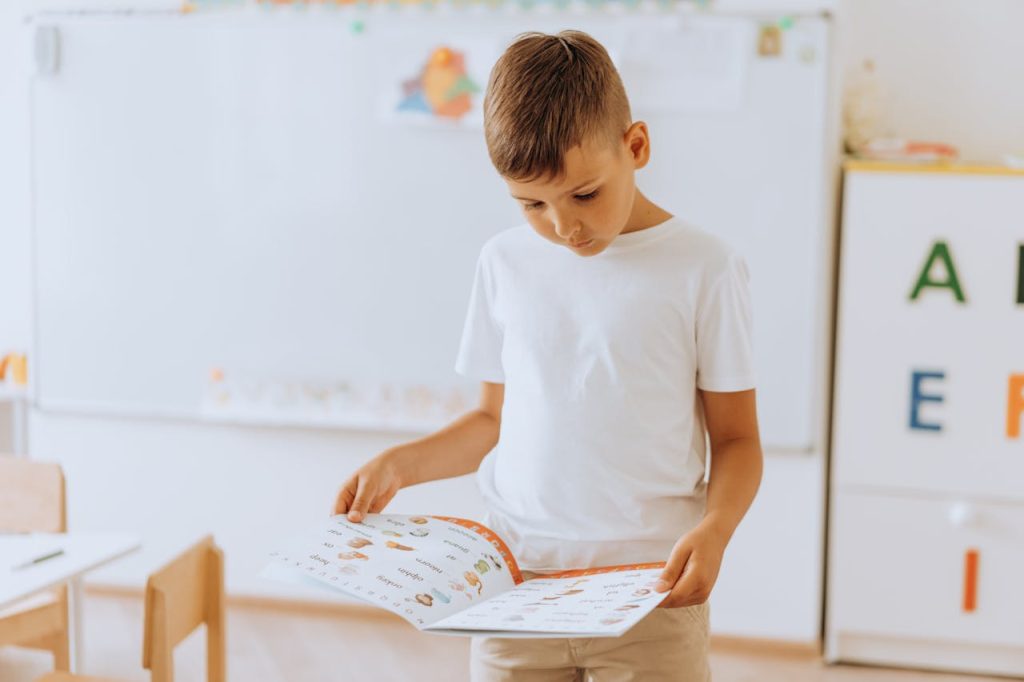
Every great album has a clear narrative. Before selecting images, take a moment to define the story you want the photo album Sydney to express. Think about:

  • What themes represent your family now?
  • Which memories highlight your identity, culture or traditions?
  • What tone do you want your family album to have: playful, nostalgic, elegant, documentary-style?

A strong narrative acts as your guide. It helps you choose the right photos, structure your pages and maintain consistency from start to finish.
Choose the Right Photos With Intention

The most powerful albums are carefully curated. Instead of selecting hundreds of images, focus on the ones that carry emotional weight, tell a clear story or show genuine connection.

When reviewing your collection, consider:

1. Emotional relevance

Photos that show laughter, tenderness or curiosity often speak louder than posed portraits.

2. Milestones and transitions

Birthdays, school achievements, holidays, house moves and reunions give your family album structure and meaning.

3. Diversity of moments

Mix candid snapshots with detail shots, portraits and wide storytelling images. This balance makes your photo book and album feel dynamic.

4. Quality and clarity

Choose the highest-resolution files available. Even the most emotional image loses impact if it prints poorly.

Organise Photos Into a Logical, Engaging Sequence

Structure is essential. Your photo album Sydney should feel effortless to flip through, with each page guiding the viewer through a smooth narrative.

Here are effective structures to consider:

Chronological

Ideal for families who want a clear, linear representation of growth and change. This works beautifully in baby albums, annual albums or travel-based stories.

Theme-based

Perfect if your story centres around traditions, hobbies or shared rituals. Themes create a consistent thread that makes the family album feel cohesive.

Chapter-style

Divide your story into chapters such as “New Beginnings”, “Celebrations”, “Everyday Magic” or “Home Life”. This format allows flexibility while maintaining strong direction.

No matter the structure, consistency is key. Keep the flow intuitive so your photo album Sydney feels natural and engaging.

Design With Purpose: Layouts That Bring Photos to Life

Design directly affects how your story is received. Clean layouts, balanced spacing and intentional composition ensure your images have room to breathe.

  • Pay attention to visual hierarchy: Place your strongest images on the most prominent pages. Use full-page spreads for scenes with emotional depth or visual storytelling.
  • Allow negative space: A well-designed family album doesn’t overcrowd. White space helps highlight the images that matter most.
  • Use variety without chaos: Alternate between single-image pages, grids, and collage-style layouts for visual interest. Too much repetition becomes predictable; too much variation becomes distracting.
  • Choose colours and fonts that match your story: Keep it simple. Neutral palettes, subtle textures and elegant fonts help your photos stay at the centre of the narrative.

Include Captions and Personal Notes

Words elevate your visuals. A short caption, quote or piece of handwritten text can deepen the emotional storytelling in your photo book and album.

You might include:

  • Names and dates
  • Locations
  • Funny quotes from your kids
  • Cultural or family traditions
  • A small paragraph describing the moment

Captions make your family album more relatable to future generations who might not know the context behind each image.

Make Space for Everyday Life, Not Just Big Moments

While major events are important, everyday experiences often reveal your family’s true character. Photos of morning routines, spontaneous play, weekend cooking or quiet moments at home bring authenticity to your photo album Sydney.

These small snapshots:

  • Show personality
  • Capture growth
  • Highlight habits and rituals unique to your family
  • Balance posed moments with real life

When you combine big milestones with simple, honest scenes, your family album becomes a genuine reflection of your world.

Use High-Quality Materials for Long-Term Preservation

A photo album should withstand time, handling and environmental changes. Choosing durable materials ensures your story is protected.

  • Look for premium printing options: Professional labs offer true-to-colour printing, crisp detail and archival-quality inks that don’t fade.
  • Select sturdy, lay-flat binding: Lay-flat albums create seamless, uninterrupted spreads that elevate panoramic photos.
  • Choose durable covers: Linen, leatherette and matte-finished covers are both elegant and long-lasting.
  • Store your album safely: Keep your family album in a cool, dry place away from direct sunlight. Consider a presentation box for added protection.

Add Personal Touches That Make Your Album Unique

Your story is one a kind. Adding personal elements will ensure your photo album reflects your family’s voice.

Consider:

  • Handwritten letters or notes
  • Drawings from children
  • Scanned heirlooms or keepsakes
  • A family motto or message
  • A map of a special trip
  • A page dedicated to pets
  • A recipe that’s been passed down

These touches enhance storytelling, making your family album feel intimate and meaningful.

Collaborate With Your Family

Creating an album is an opportunity to bring your family together. Ask each person to choose their favourite photos, moments or pages. Children, especially, love being involved and often contribute fun perspectives.

Joint decision-making ensures your album and memory book represents everyone, not just one viewpoint. It also creates a shared sense of pride when the final album arrives.

Print a New Album Each Year to Build a Living Archive

Many Sydney families now make an annual tradition of creating new family portraits and album every year. Over time, these albums form a visual history of your family’s growth.

Annual albums:

  • Keep memories organised
  • Mark major milestones
  • Encourage you to sort and store photos
  • Build a meaningful library for future generations

They also make heartfelt gifts for grandparents and extended family.

Close-up view of a photo album with neatly arranged pages, perfect for creating a family album Sydney-wide.

Why Professional Guidance Makes a Difference

While DIY platforms are helpful, partnering with experienced professionals ensures your photo album Sydney is crafted with precision and artistry. Specialists understand layout principles, image retouching, colour accuracy and storytelling in a way that elevates the final product.

For many families, the value lies in having someone who understands both the emotional weight of the project and the technical process required for a polished result.

Final Thoughts

A great family portraits and album captures more than images. It preserves relationships, growth, identity and the everyday moments that shape a family’s life. With the right photos, structure and intention, your album becomes a timeless keepsake that tells your story with authenticity and care. When crafted thoughtfully, a photo album Sydney becomes a gift to future generations, an emotional anchor that reminds your family where they’ve come from and what they value.

At Sandpit Photos, we specialise in designing custom family portraits and albums that capture memories with precision and heart. Our child care photographers Sydney offer high-quality photo printing, thoughtful layouts, and personal touches, ensuring your album is a timeless keepsake. Whether you’re in the heart of Sydney or beyond, we provide this service across the entire city. Reach us today at 0299 799 334 or visit our enquiry page to get started on preserving your family’s story for generations to come!

How to Make Toddlers Look at the Camera

Capturing beautiful, memorable moments of your little one can feel like a challenge, especially when toddlers are involved. As a parent, you know how difficult it can be to get them to focus on anything, let alone a camera. Whether you’re preparing for a family portrait creation, a maternal photoshoot, or just trying to snap a few cute shots for social media, getting toddlers to look at the camera requires patience, creativity, and the right techniques.

As a professional family photographer in Sydney, I’ve worked with countless toddlers, and I can share the best practices to make sure those adorable eyes look straight at the camera. Let’s dive into how you can get the perfect shot of your toddler without the stress.

A children photographer capturing a toddler's natural smile during a fun family portrait session.

1. Make it Fun and Engaging

Toddlers are naturally curious and full of energy. If you want them to look at the camera, it’s crucial to keep the session fun. Rather than simply instructing your child to “look at the camera,” turn the shoot into a playful experience.

As a children photographer in Sydney, I’ve learned that engaging toddlers with games, songs, or even animal noises can help them focus. A simple “Can you say cheese?” might be too simple to capture their attention. Instead, try calling out their favourite animal or toy name in an excited tone. You’ll be surprised at how quickly a toddler’s attention is drawn to something fun and new.

2. Use Toys or Props

A favourite toy or prop can be an excellent tool to get your toddler to look at the camera. Whether it’s a stuffed animal, a rattle, or something interactive, introducing a prop into the photoshoot will naturally attract their attention.

If you’re booking a family photographer in Sydney for a portrait session, I recommend bringing along your child’s most cherished toy. Use it to get their attention and position it just above the camera lens to encourage eye contact. If you’re doing a toddler or children photoshoot, a meaningful prop, like a sonogram picture or tiny baby shoes, can also add an emotional touch while drawing your toddler into the frame.

3. Capture Candid Moments

Sometimes the best moments happen when toddlers are allowed to be themselves. Rather than forcing them to pose, consider taking candid shots. This is especially effective if you’re doing a beautiful family photo session and want to capture authentic emotions.

As a family photographer in Sydney, I’ve found that toddlers often look directly at the camera when they’re interacting with a parent or sibling. Let your toddler run around, laugh, and explore while you snap photos from a distance. Their natural curiosity and genuine expressions will often bring them into focus in front of the lens without the need for direct prompting.

4. Eye-Level Photography

To get the most engaging shots, it’s important to meet your toddler at their level. Most photographers instinctively stand while shooting, but for toddlers, this can create a disconnect. They may not be able to see your face or feel connected to the photo session.

As a child care photographer in Sydney, one of my best tips is to crouch or kneel to get down to their eye level. This creates a more intimate feel in the portrait and makes it easier to establish eye contact. When you’re at their level, they’re more likely to engage with the camera—and with you. Not only does this approach make them feel more comfortable, but it also results in a more natural, beautiful shot.

5. Timing is Everything

Toddlers have short attention spans and aren’t always in the mood for a photo session. It’s important to choose a time when your toddler is well-rested and fed, as hunger or tiredness can lead to meltdowns and distractions.

If you’re preparing for a family photo session, aim to schedule the shoot during your child’s peak energy time, which is often in the morning after breakfast. When your toddler is happy and alert, they’re more likely to look at the camera and enjoy the experience.

6. Create a Comfortable Environment

A comfortable child is a happy child, and this includes the environment in which the photoshoot takes place. Whether it’s in a studio, at the park, or in your own home, make sure the location feels safe and familiar to your toddler.

As a family photographer in Sydney, I know that a familiar setting often leads to more relaxed, focused children. If you’re taking family photos in a location your toddler loves, like a local park or even your own backyard, they may be more likely to look at the camera without feeling overwhelmed by the surroundings.

7. Be Patient and Flexible

Finally, remember that toddlers are unpredictable. They may not always cooperate, and that’s okay. Instead of stressing over getting the perfect shot, embrace the spontaneous nature of the photoshoot.

In my experience as a family photographer in Sydney, patience is key. Don’t rush the session or force your toddler to sit still for extended periods. Give them breaks when needed, and allow them to explore their environment freely. The best photos often come from moments of natural expression and genuine emotion, not posed perfection.

8. Consider Professional Photographers for Stress-Free Sessions

If you’re feeling nervous about getting your toddler to cooperate during a photoshoot, consider hiring a professional photographer. Professional photographers have experience working with children and know how to make the process enjoyable for everyone. They understand the importance of creating a relaxed environment, which helps toddlers feel comfortable and more likely to look at the camera.

Whether you’re planning a family photoshoot, a professional photographer has the skills and expertise to get the best shot, even when toddlers are involved. They’ll guide you through the process, ensuring your family’s memories are captured in the most beautiful and authentic way possible.

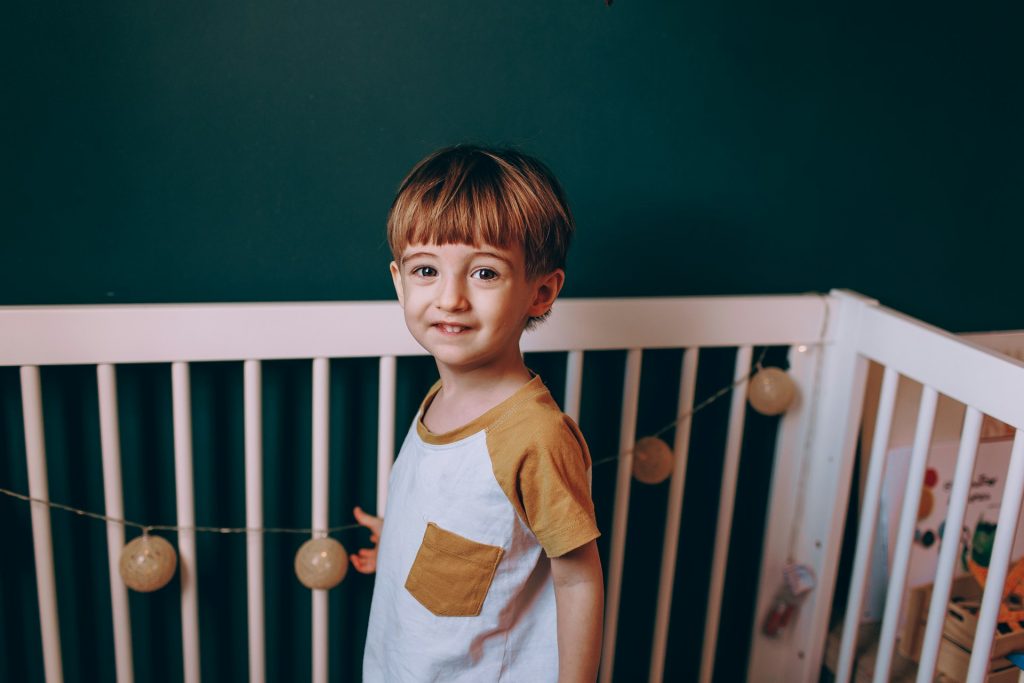
A professional children photographer capturing a child for a memorable family photo.

Conclusion

Getting a toddler to look at the camera can be a tricky task, but with the right approach, you’ll have those stunning family portraits and memory book in no time. By making the experience fun, engaging, and relaxed, your toddler will naturally gravitate towards the camera. Whether you’re scheduling a family photoshoot, capturing cherished moments in a pregnancy photoshoot, or simply trying to create the perfect family portrait, patience, creativity, and the right techniques will ensure that you get the shot you’re hoping for.

If you’re looking for family photographers or children photographers in Sydney, keep these tips in mind to make your photoshoot smooth and successful. With the right mindset and a little preparation, you’ll capture beautiful moments that last a lifetime.

Book your family photo shoot today with Sandpit Photos. Whether it’s a fun-filled children’s photoshoot or a special pregnancy photoshoot, we’re here to help you preserve memories that last a lifetime. Contact us now at 02 9979 9334 or visit our contact page to schedule your family photography session!

5 Creative Ideas for Toddler Photo Sessions

Capturing the joy and innocence of toddlers is an unforgettable experience. If you’re planning a photo session for your toddler, you want to ensure those precious moments are preserved in a way that’s both beautiful and meaningful in your memory book. Below, we’ve outlined five creative ideas to make your toddler’s photo session one to remember, with practical solutions to help bring each idea to life.

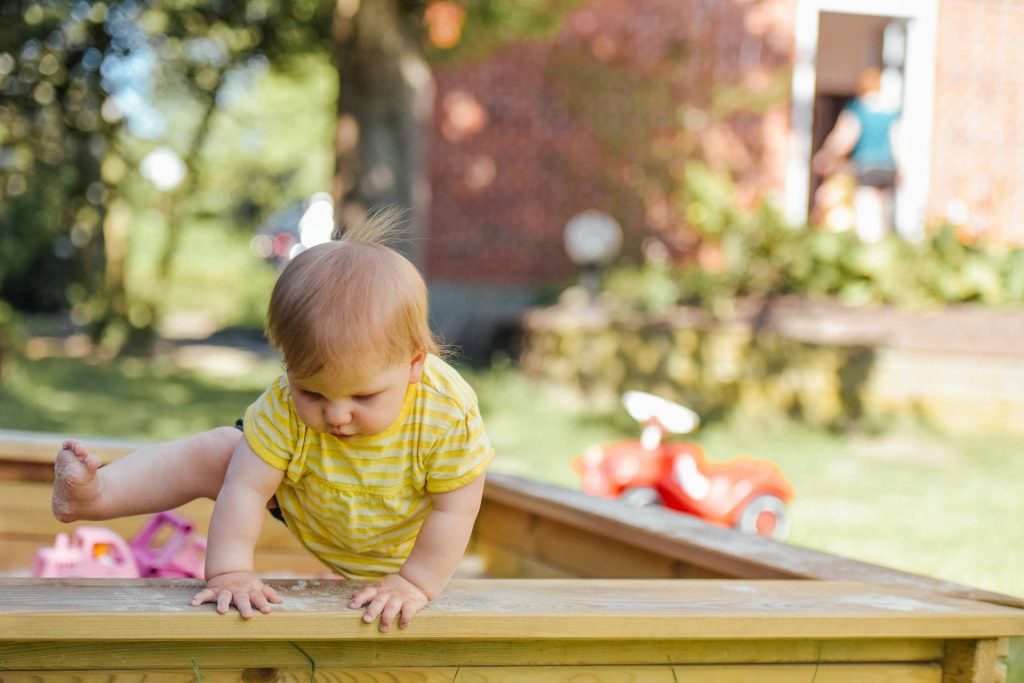
A toddler enjoying a fun outdoor photo session in a sandbox.

1. Themed Playtime: Bringing Their Imagination to Life

Toddlers have vibrant imaginations, and a themed playtime session is a perfect way to let them express themselves. Incorporating props and costumes related to their favourite activities adds a fun and personal touch. Here are some tips to bring this idea to life:

  • Choose a Theme: Consider your toddler’s interests, whether it’s a tea party, a superhero session, or a nature-inspired shoot. Themes like “Princess and Pirate Adventure” or “Teddy Bear Picnic” work well.
  • Props & Costumes: Select props that will engage your toddler, such as a tiny tea set or toy animals. Fun costumes like fairy wings, pirate hats, or animal ears can help create an immersive experience.
  • Let Them Play: Don’t worry about stiff poses. Allow your child to play naturally, which will result in authentic and joyful photos. The aim is to capture their candid expressions and energy.
  • Why It Works: Themed playtime allows toddlers to feel comfortable and have fun, which naturally results in genuine, expressive shots.

By collaborating with a children photographer, you’ll be able to create a session that lets your toddler’s imagination run wild while still capturing beautifully composed photographs.

2. Nature-Inspired Photography: Embrace Sydney’s Outdoor Beauty

Sydney offers a wealth of stunning outdoor settings that make the perfect backdrop for toddler photo sessions. From lush gardens to sunlit beaches, outdoor photos bring a natural, organic feel to the images. Here’s how to incorporate nature into your photoshoot:

  • Location Ideas: Consider Sydney’s beautiful parks, beaches, or botanical gardens. Some of the best spots include the Royal Botanic Garden, Bondi Beach, and Centennial Park.
  • Best Time of Day: Early morning or late afternoon, when the light is soft and golden, is ideal for capturing stunning, natural photos.
  • Engage with Nature: Let your toddler explore their surroundings, whether it’s running through the grass, picking flowers, or playing with a beach ball. These moments add life and joy to the photos.
  • Why It Works: Outdoor sessions give the photos a timeless, free-spirited vibe. Your toddler will feel more at ease and natural in these open spaces, leading to more candid moments.

With a skilled family photographer in Sydney, you’ll be able to capture the beauty of both your toddler and Sydney’s natural surroundings, creating memories that last forever.

3. Seasonal Themes: Celebrate the Seasons with Style

Each season has its own unique charm, and incorporating these into your toddler’s photos can add a special touch. Whether it’s spring blossoms or winter coziness, here are some tips to make the most of seasonal themes:

  • Spring: Take advantage of blooming flowers, soft pastels, and bright skies. A picnic in the park or a flower-picking activity works well here.
  • Summer: Beach sessions with sandcastles, water play, and summer hats are a great way to capture your toddler’s carefree energy for summer photoshoot.
  • Autumn: Golden leaves, cozy sweaters, and rustic settings work wonderfully in fall. Capture your child jumping in piles of leaves or holding a pumpkin.
  • Winter: If you’re in a cooler climate, snow (or faux snow) creates magical winter wonderland shots. Add scarves, mittens, and playful snowball fights for the perfect photo.
  • Why It Works: Seasonal elements make the photos feel fresh, vibrant, and connected to nature. They also bring out the mood of your toddler, whether it’s playing in the snow or enjoying a warm day.

Consider working with a family photographer in Sydney who understands how to take advantage of seasonal elements and light to create photos that feel natural, comfortable, and relevant to the time of year.

4. Incorporate Family Heirlooms or Sentimental Items

Adding personal touches to your toddler’s photo session makes the images even more meaningful. Including family heirlooms or sentimental items connects your photos to your family’s story. Here are ways to incorporate personal items into your shoot:

  • Family Keepsakes: Bring in items that have been passed down through generations, such as a hand-knit blanket, an old toy, or a beloved book.
  • Props with Meaning: Consider using items that reflect your family’s interests, such as a musical instrument, a family pet, or a special piece of clothing.
  • Create a Story: Use these items to tell a story in the photos. For example, a photo of your toddler reading their favourite storybook can evoke memories for years to come.
  • Why It Works: These sentimental touches add depth to the photos, making them more than just pictures but rather cherished moments of family history.

A children photographer in Sydney can help integrate these heirlooms and props into the shoot, ensuring they add emotional value without distracting from the toddler’s natural charm.

5. Interactive Play: Candid Moments that Show Their True Personality

Toddlers are at their best when they’re engaged in an activity they love. Letting them be themselves and encouraging play can lead to the most genuine, heartfelt photos. Here’s how to make the most of interactive play in your photo session:

  • Encourage Activities: Choose activities that your toddler enjoys, whether it’s blowing bubbles, playing with toys, running through a park, or even painting.
  • Capture the Action: Instead of trying to make them pose, capture the action as your child plays freely. These moments reveal their true personality and spirit.
  • Let Them Explore: Allow your toddler to interact with their surroundings, whether it’s running through fields or playing with animals. Natural moments like these are full of energy and life.
  • Why It Works: Interactive play sessions capture authentic moments that express your toddler’s emotions and personality. These photos are a great way to preserve the joyful chaos of early childhood.

A family photographer in Sydney can skillfully document these candid moments, ensuring the session remains fun while still producing high-quality photos that highlight your toddler’s unique personality.

A toddler enjoying a photo session outdoors, capturing a joyful moment.

Conclusion: Crafting Timeless Memories with a Family Photographer in Sydney

Creating lasting memories through toddler photo sessions is about more than just snapping family photos. It’s about capturing moments that reflect your family’s love, your toddler’s personality, and the beauty of their early years. Whether you’re opting for a themed playtime, an outdoor adventure, or a seasonal photo shoot, these creative ideas will help you make the most of your toddler’s photo session.

When you work with a child care photographer in Sydney, you’ll have the expertise needed to bring these ideas to life in a way that feels natural, comfortable, and unforgettable. From family portraits in scenic locations to intimate moments with sentimental items, the photos you take will become treasured heirlooms that tell the story of your toddler’s early years.

The key is to make the family photography session as fun and personal as possible, ensuring that the photos truly reflect your toddler’s joyful spirit and the love your family shares. At Sandpit Photos, we specialize in creating fun, personalized, and memorable photo sessions that reflect your family’s unique personality. Book your photo session with Sandpit Photos today and capture the magic of their early years. Contact us now at 02 9979 9334 or visit our enquiry page to schedule your session and create lasting memories!

A Comprehensive Guide for Printed Photo Size

When it comes to capturing precious moments through the lens of a camera, the quality of the print is just as important as the photo itself. Whether you’re preserving a family portrait, a cherished school portrait, or a special moment in time, the printed photo size plays a crucial role in ensuring the image is both visually stunning and fitting for display. In this guide, we’ll explore everything you need to know about printed photo sizes, helping you choose the right dimensions for your memories.

Printed photo sizes are typically measured in inches and can vary depending on the intended use of the photograph.


Understanding Printed Photo Sizes

Printed photo sizes are typically measured in inches and can vary depending on the intended use of the photograph. Here’s an overview of some of the most common photo sizes and their best uses:

1. 4×6 Inches

The 4×6-inch size is the standard and classic snapshot for most personal photographs. It’s the go-to size for many families who want to preserve moments from family gatherings, vacations, or special events. The 4×6 size fits perfectly into photo albums and is an ideal size for framed family portraits.

2. 5×7 Inches

The 5×7-inch photo is a popular choice for framing and gifting. It’s an ideal size for displaying portraits, family photos. This size allows the image to stand out while still fitting into most home décor styles. If you’re looking to showcase a beautiful school portrait or a family photography, this size offers the perfect balance.

3. 8×10 Inches

The 8×10-inch photo size is larger and allows for greater detail in the print. It’s often chosen for more formal portraits, such as family portraits or professional photo shoots. For child care photography or children photography sessions that capture your child’s personality and emotions, an 8×10-inch print brings the focus to the perfect balance between size and detail without overwhelming the space.

4. 11×14 Inches

For those looking to make a statement, an 11×14-inch print is an excellent option. This size is often used for showcasing larger family portraits that need to fill a larger space. It’s ideal for wall art in living rooms, bedrooms, or galleries. If you want a photo to be the centerpiece of a room, this size offers the perfect balance between impact and elegance.

5. 16×20 Inches

If you have a special moment or event you want to showcase in grand style, the 16×20-inch size is ideal. This large format is often used for displaying impactful family portraits or important milestones. Whether it’s a birthday celebration, graduation, or a family photos, this print size can transform any photo into a work of art.

6. 20×30 Inches

The 20×30-inch print is designed to be noticed. This oversized format is perfect for high-end wall décor and can elevate any photo to an artistic level. Family portraits or large group photos, including those from children photographer sessions, are often printed in this size to create a lasting impact. This size is best suited for spaces with ample wall area, such as living rooms or hallways.

Choosing the Right Photo Size for Your Needs

While choosing the right photo size for your printed image depends on the display space, there are also practical considerations that can influence your decision. Here are some tips to help you choose the best photo size:

  • Consider the Framing: Make sure to consider the dimensions of the frame you plan to use. Standard frames are designed for common sizes like 4×6, 5×7, and 8×10 inches. If you’re using a custom frame, you have more flexibility in your choice.
  • Aspect Ratio Matters: Different cameras and lenses produce photos in varying aspect ratios, meaning the width and height of your photo might not always match the print size you want. If the aspect ratio doesn’t match, you might need to crop the image or use a mat to adjust the photo to fit your frame.
  • Photo Quality: Higher quality images can handle larger print sizes without losing detail. If you’re printing photos, ensure that the image resolution is high enough to maintain clarity when enlarged.

Choosing the right photo size is essential to ensuring that your printed memories are displayed in the best possible way. By considering factors like the intended display area, framing options, and the level of detail you want to highlight, you can make the perfect choice to bring your photos to life.

Tips for Framing and Displaying Your Prints

Once you’ve selected the perfect print size for your photograph, it’s time to think about how to display it. Here are a few tips to ensure your photos stand out:

  • Select the Right Frame: Choosing a frame that complements both the photo and your home décor is essential. Simple frames often work best for family portraits or school portraits, while ornate frames can enhance more formal or larger prints.
  • Matting Your Photos: Adding a mat around your photo not only helps protect the print but also adds an elegant touch to the display. For larger prints, a mat helps to create a professional finish.
  • Placement: When displaying large prints such as an 11×14 or 20×30 family portrait, ensure that they are centered in the space and aren’t overwhelmed by surrounding elements. Grouping multiple prints in a gallery style can also add a creative touch to your walls.

Framing and displaying your prints thoughtfully can transform a simple photo into a striking focal point in your home. With these tips, you can create a visually appealing display that not only complements your décor but also showcases the beauty and sentiment of your family and children’s photographs.

The printed photo size you choose can dramatically affect how your precious memories are preserved and displayed.


Final Thoughts

The printed photo size you choose can dramatically affect how your precious memories are preserved and displayed. From intimate 4×6 family portraits to bold 20×30 prints that serve as statement pieces, the right size helps to ensure that every detail is captured beautifully.

When it comes to family and school photography, your prints are more than just images, they’re pieces of art that help tell your family’s story. By selecting the right size, you can ensure that your photos not only capture a moment in time but also bring lasting joy to your home.

Ready to showcase your cherished memories with the perfect print and frame? At Sandpit Photos, we offer expert child care photographer services tailored to your needs, providing high-quality solutions across Sydney. Whether you need a photoshoot, album packages or printed photos, our family photographers in Sydney ensure your prints are presented beautifully and professionally. Contact us today to at 02 9979 9334 or visit our contact page bring your memories to life!

The 5 Most Common School Photoshoot Errors

School photo shoots can be a time of excitement and nostalgia, capturing moments that will be cherished for years to come. But getting the perfect shot is no easy task. From lighting issues to wardrobe choices, several elements can impact the quality of the photos. As a trusted leader in school photography, Sandpit Photos has seen it all, both the triumphs and the common mistakes. To help you avoid those pitfalls and ensure a smooth, stress-free experience, here’s a guide to the five most common school photo shoot errors and how to sidestep them.

How to avoid the 5 most common school photoshoot errors.

1. Inadequate Preparation for Lighting

Lighting is the cornerstone of any great photo. Without proper lighting, even the best camera equipment will struggle to produce quality images. A common mistake many school photographers make is neglecting to adjust for environmental lighting, especially in classrooms or outdoor settings.

Poor lighting can result in harsh shadows, uneven skin tones, or washed-out images. This issue is often most noticeable in group photos, where the lighting affects everyone differently.

How to Avoid This Error:

  • Adjust for Natural Light: If the shoot is taking place outdoors, try to schedule the session during the golden hours, either early morning or late afternoon. This soft, natural light can make all the difference.
  • Use Professional Lighting Equipment: When shooting indoors, invest in professional lighting kits. Softboxes or reflectors can help diffuse natural light and reduce harsh shadows.
  • Position Carefully: Ensure the children aren’t directly in front of windows or bright light sources, as this can cause the subject to be overexposed while leaving the background underexposed.

By carefully controlling lighting, you’ll create crisp, vibrant school photos that capture the moment perfectly.

2. Poor Framing and Composition

Framing and composition are crucial in school photoshoot. A common mistake is cutting off parts of a subject, whether it’s the top of the head or part of the body. This can happen when the photographer is rushing or not paying attention to the details during the photo shoot.

How to Avoid This Error:

  • Keep the Subject Centered: When framing each child, aim to keep them centrally positioned with enough space around them. Ensure you capture the entire subject, especially when photographing individuals.
  • Use the Rule of Thirds: By positioning your subject off-center, you can create more dynamic and visually pleasing compositions. While this technique works for candid shots or group photos, individual portraits should be centered to avoid distractions.
  • Check Before You Shoot: Take a quick moment to check that you have a clean background and the child is in focus. This simple step ensures you’re not wasting time on shots that need to be retaken.

Proper framing can elevate an image from ordinary to extraordinary. It’s all about creating a balanced and aesthetically pleasing shot.

3. Ignoring Wardrobe Coordination

One of the most common mistakes in school photography is not considering the clothes the children wear. Bright, distracting patterns, logos, or overly casual attire can detract from the final image. When there’s no wardrobe coordination, it can make group photos look chaotic and disjointed.

How to Avoid This Error:

  • Follow a Simple Colour Scheme: Suggest that students wear solid colours or simple patterns that don’t clash. Earth tones or pastel colours tend to work well in school photos, providing a clean and timeless look.
  • Avoid Overly Bright Colours: Neon colours can be distracting, drawing attention away from the faces of the children. Stick to more neutral tones unless there’s a specific theme or reason to use bold colours.
  • Consider Comfort: School photos should capture children at their best, but they should also feel comfortable in what they’re wearing. Encourage parents to choose outfits that allow for natural movement, which can be reflected in their expressions.

Taking a bit of time to consider wardrobe coordination will ensure your school photos appear polished and cohesive.

4. Overlooking Background Selection

A busy or cluttered background can ruin an otherwise perfect shot. A common error in school photography is selecting a background that distracts from the subject or clashes with the child’s outfit. Whether it’s bright posters on the walls or a cluttered outdoor setting, a poor background can quickly become the focal point of the photo.

How to Avoid This Error:

  • Choose Clean, Simple Backgrounds: A neutral background, such as a solid colour or a simple outdoor scene, works best. When photographing in a school setting, aim for a background that enhances the child’s image without competing for attention.
  • Use Depth of Field: If you’re photographing in a location with a more complex background, consider using a shallow depth of field (blurring the background). This technique ensures the child is the focus of the shot while the background remains soft and unobtrusive.
  • Watch Out for Distractions: Before taking the shot, scan the background for any distractions, like messy desks, hanging objects, or other students that could pull attention away from the subject.

By choosing the right background and eliminating distractions, you’ll ensure the focus stays on the child and their unique personality.

5. Rushing the Shoot

Time pressures can lead to rushed photo shoots, especially in school settings where there are many children to photograph. Rushing through the process can result in blurry images, awkward poses, or children not looking their best.

How to Avoid This Error:

  • Schedule Adequate Time: Ensure there is enough time between each photo to let the children adjust, relax, and get into position. It’s essential to move at a comfortable pace so each child feels confident and ready for their shot.
  • Keep Things Fun and Engaging: Children are often more relaxed and photogenic when they’re having fun. Engage with them, make jokes, and create a relaxed environment. This makes for more natural, authentic photos.
  • Take Multiple Shots: Don’t settle for the first shot. Take several photos of each child, giving them the chance to smile, laugh, or adjust their posture. The more options you have, the better your chances of getting the perfect shot.

Patience is key to great school or child care photography. By slowing down and ensuring each child feels comfortable, you’ll get the best results.

By avoiding these five common mistakes, you can ensure that your school and family portraits are both beautiful and memorable.

Conclusion

School photography is a delicate balance of technical skill and creativity. By avoiding these five common mistakes, you can ensure that your school and family portraits are both beautiful and memorable. At Sandpit Photos, we’re committed to providing high-quality, timeless family and child care photographer service that families and schools can treasure for years to come. Taking the time to prepare, engage with the children, and pay attention to the details can make all the difference in achieving stunning results.

Remember, great school portraits are more than just a snapshot, they’re a reflection of a moment in time that should be captured with care, precision, and creativity. Our team uses professional-grade equipment, expertly manages lighting, and ensures a seamless photo shoot experience for both students and schools. Whether you’re based in the heart of the Sydney or in the outer suburbs, Our photographers at Sandpit Photos are equipped to handle all your school photography needs. Contact us today at 02 9979 9334 or go to our contact page to learn more about how we can bring your vision to life.