 (02) 9979 9334
 info@sandpitphotos.com.au
Photographing children is one of the most rewarding and, at the same time, most responsibility-laden areas of professional photography. Unlike other subjects, children cannot fully advocate for themselves. They rely on the adults around them, including parents, educators, childcare directors, and photographers, to act in their best interest at every step of the process.
Ethical child photography covers far more than simply asking for a signed form. It involves understanding the legal and practical distinctions between parental permission and a child’s own willingness to participate, adapting your approach to different developmental stages, creating a safe and comfortable environment during the session, and maintaining responsible practices around image storage, use, and withdrawal long after the shutter has clicked.
This post walks through what ethical child photography looks like in practice, from the language of consent to the moment after the shutter clicks.

Defining Ethical Child Photography
Ethical child photography means placing a child’s dignity, comfort, and safety above all else. It means asking before you shoot, listening when a child says no (verbally or through body language), and using images only in ways the child’s family has clearly agreed to.
In Australia, child safety in professional and community settings is governed by state and national legislation, including the National Quality Standard for Early Childhood Education and Care, which requires services to protect children’s dignity and rights at all times. For a children photographer in Sydney that professionals know this framework is not just a legal obligation. It is the foundation of trustworthy practice.
Ethical photography also means thinking carefully about image content, context, and distribution. An image that looks innocent in isolation can become problematic depending on how it is shared, cropped, or captioned.
Consent, Assent, and Permission: Understanding the Differences
These three terms are often used interchangeably, but they mean different things and each plays a role in ethical practice.
Permission is granted by a parent or legal guardian. In a childcare setting, this typically comes through a signed consent form that covers photo day activities and the use of images in print or digital formats. Permission is a legal requirement and the first step in any ethical photography process.
Assent is the child’s own agreement, communicated in a way appropriate to their age and understanding. A four-year-old cannot legally give consent, but they can absolutely say “no, I don’t want my photo taken today.” That signal must be respected, every time.
Consent in the strictest legal sense applies only to individuals aged 18 and over. For children, informed parental permission combined with the child’s own assent forms the ethical standard.
Understanding these distinctions matters enormously in kids photography. Treating permission as the end point, rather than the starting point, is where many photographers fall short.
Before the Photo: Ethical Preparation
Good ethics begin long before the camera comes out.
Childcare centres and schools should ensure that parent consent forms are detailed, plain-language, and genuinely informative. Parents need to know how images will be used, who will have access to them, and whether they will appear in any marketing or public-facing material. Blanket consent buried in enrolment paperwork does not meet the standard.
Photographers should review centre policies, understand the age range and developmental context of the children they will be photographing, and prepare in a way that puts child comfort first. Briefing centre staff in advance creates a consistent, calm environment on the day.
For a child care photographer in Sydney that families trust, preparation is not just logistical. It is relational. Building even a few minutes of rapport before the camera appears can transform a child’s experience.
During the Photo: Respecting Comfort and Autonomy
The session itself is where ethics are put into practice, in real time, with real children. A few non-negotiable principles:
- Never force a pose. A child who is stiff, crying, or looking away will not produce a beautiful image, and more importantly, their discomfort matters more than the shot.
- Follow the child’s lead. Natural, play-based photography produces more authentic results and is inherently more respectful of the child’s pace and personality.
- Keep the environment calm. Loud directions, rushing, or pressure from adults in the room can affect how children respond. A relaxed setting helps everyone.
- Watch for non-verbal cues. Children, particularly young ones, communicate discomfort through body language long before they use words. A trained photographer reads these signals and responds accordingly.
- Avoid directing children into positions that could be considered inappropriate. Even with the best intentions, certain poses can be misread in different contexts. Stick to natural, age-appropriate imagery at all times.
In practice, kids photography done well looks like play. The camera captures what is already happening, rather than engineering something artificial.
After the Photo: Review, Approval, and Withdrawal
The ethical process does not end when the session does. Images should be reviewed before delivery, with any that do not meet appropriate content standards removed from the selection. Centres and parents should have a clear, simple process for requesting image removal or expressing concerns about how specific photos are used.
Importantly, consent and permission can be withdrawn after the fact. If a family contacts you weeks after the session to ask that their child’s image be removed from a promotional piece or a website gallery, that request must be honoured promptly and without question.
Image storage also matters. Professional photographers should maintain secure digital storage, limit access to approved team members only, and have a clear data retention policy. Children’s images should never be shared on personal social media accounts without explicit written permission.
Transparency builds trust. Letting families know exactly how their child’s images are stored, used, and eventually deleted is part of doing this right.
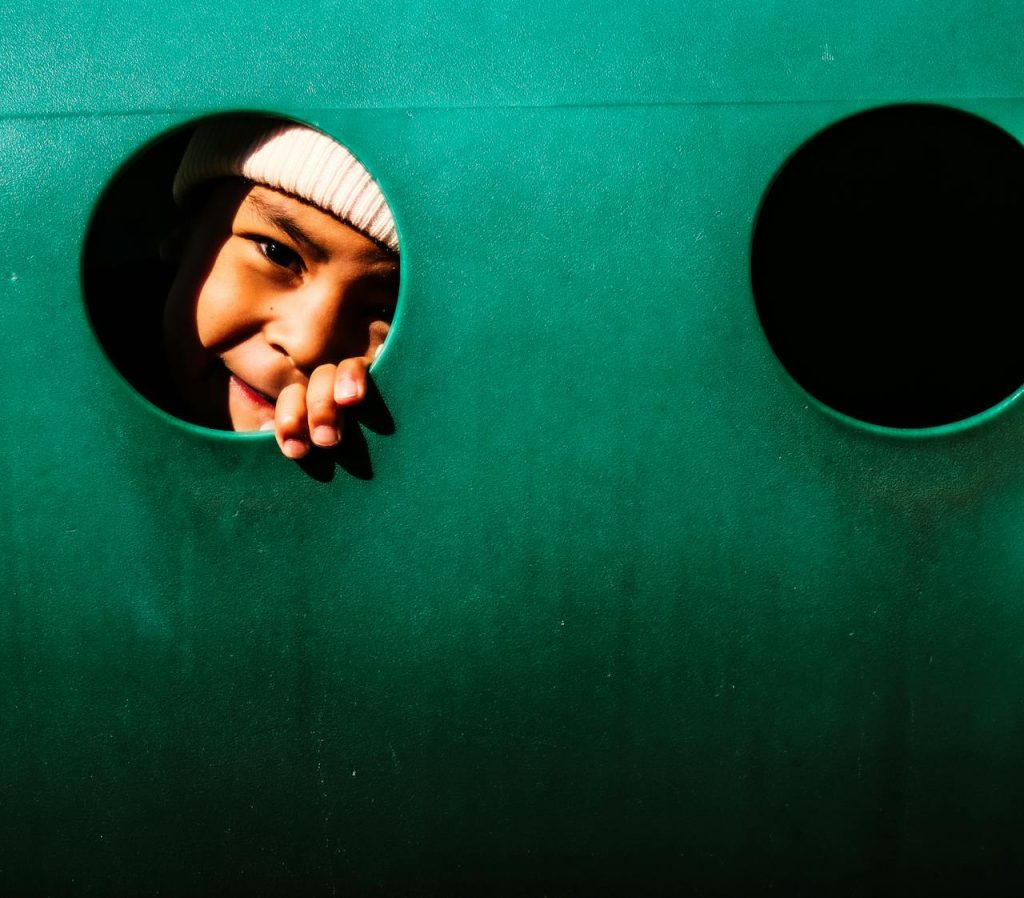
Capturing Children the Right Way: A Commitment That Never Stops
Ethical child photography is about far more than producing a beautiful image. It begins with understanding the difference between parental permission and a child’s own assent, extends through thoughtful preparation before a session, attentive care during the shoot, and a clear, transparent process for reviewing and withdrawing consent after the fact. It means following the child’s lead, never forcing a pose, reading non-verbal cues with trained attunement, and handling every image with secure, responsible storage. Across every stage, from the consent form to the final delivery, the child’s dignity, comfort, and safety must come first.
If you are looking for a photographer in Sydney that families and childcare centres have trusted for nearly two decades, Sandpit Photos is ready to bring that same care and expertise to your centre. We offer a full range of packages including childcare and preschool photography, family and school portraits, and sports team photography. To book our photographers for your occasions or to learn more about our packages, visit our contact page or call us on 02 9979 9334! Let’s capture the precious moments that matter, the right way!